NOW OPEN SUNDAYS 10:00 - 4:00pm
-
Laundry

save up to 50% in our ex display and clearance | deals not to be missed
-
Commercial
save up to 50% in our ex display and clearance | deals not to be missed
-
Cooking

save up to 50% in our ex display and clearance | deals not to be missed
-
Refrigeration

save up to 50% in our ex display and clearance | deals not to be missed
-
TV & Home Entertainment
save up to 50% in our ex display and clearance | deals not to be missed
-
Dishwashers
save up to 50% in our ex display and clearance | deals not to be missed
-
Small Appliances
save up to 50% in our ex display and clearance | deals not to be missed
-
Accessories
save up to 50% in our ex display and clearance | deals not to be missed
-
Fire & Stoves
save up to 50% in our ex display and clearance | deals not to be missed
- Deals
- help & advice
- track order
- wishlist

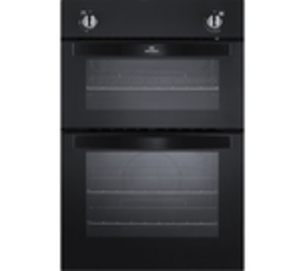

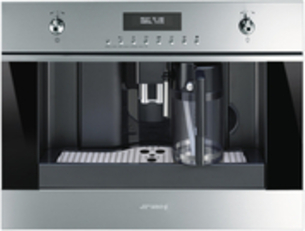

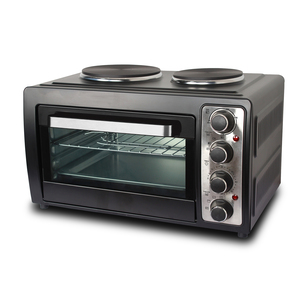














Oven Buying Guide
Choosing the right oven is essential for your cooking needs, whether you're baking, roasting, or broiling. This guide will help you navigate the options and features to find the perfect oven for your kitchen.
- Types of Ovens
Conventional Ovens
- Pros: Widely available, versatile for various cooking methods.
- Cons: May have uneven heat distribution compared to other types.
Convection Ovens
- Pros: Equipped with a fan to circulate hot air, ensuring even cooking and reducing cooking times.
- Cons: Can be more expensive, some recipes may need adjustments.
Wall Ovens
- Pros: Saves counter space, allows for flexible installation at eye level.
- Cons: Often more expensive and may require custom cabinetry.
Range Ovens
- Pros: Combines an oven with a cooktop, offering both baking and stovetop cooking in one unit.
- Cons: Takes up more space; may be less efficient for larger baking needs.
Steam Ovens
- Pros: Uses steam to cook food, preserving moisture and nutrients; great for healthy cooking.
- Cons: Higher cost, may require learning new cooking techniques.
- Size and Capacity
Measure Your Space
- Consider the dimensions of your kitchen and where the oven will be installed. Standard ovens are typically 30 inches wide, but sizes can vary.
Interior Capacity
- Look for an oven with enough capacity to accommodate your cooking needs, especially for larger items like turkeys or multiple trays.
- Fuel Type
Electric Ovens
- Pros: Even heat distribution, easier to clean, typically more precise temperature control.
- Cons: Can be slower to heat up compared to gas.
Gas Ovens
- Pros: Instant heat and temperature control, often preferred by professional chefs for baking.
- Cons: Requires a gas line, which may limit installation options.
Dual Fuel Ovens
- Pros: Combines the benefits of gas cooking with electric baking for optimal performance.
- Cons: Higher cost and may require both gas and electric hookups.
- Key Features to Consider
Self-Cleaning Options
- Look for self-cleaning cycles that use high heat to burn off food residue, saving time and effort.
Temperature Probes
- Built-in probes allow you to monitor the internal temperature of your dishes, ensuring perfect cooking.
Smart Technology
- Some modern ovens come with Wi-Fi connectivity, allowing you to control and monitor your oven remotely via a smartphone app.
Multiple Cooking Modes
- Options like bake, broil, roast, and specific settings for pizza or bread can enhance versatility.
Oven Racks
- Adjustable or removable racks provide flexibility for cooking multiple dishes simultaneously.
- Design and Aesthetics
Finish Options
- Choose from stainless steel, black, white, or custom panel-ready options that match your kitchen decor.
Control Panel
- Consider the usability of controls. Digital touch controls offer a modern look, while knobs provide a more traditional feel.
- Price and Budget
Set a budget before shopping, as ovens can range widely in price based on type, features, and brand. Consider installation costs if applicable.
- Brand Reputation and Reviews
Research brands known for quality and reliability. Read user reviews to gauge performance and customer satisfaction.
- Warranty and Support
Look for ovens with a good warranty (typically at least one year) and consider brands that offer reliable customer support for service and maintenance.
- Delivery and Installation
Check if the retailer offers delivery and installation services. Professional installation is often recommended for gas ovens.
- Maintenance
Consider the maintenance requirements of the model you’re considering. Some features may require more frequent cleaning or care.
Conclusion
Choosing the right oven involves assessing your cooking habits, kitchen space, and budget. By considering the factors outlined above, you can find an oven that meets your needs and enhances your cooking experience. Happy shopping!