NOW OPEN SUNDAYS 10:00 - 4:00pm
-
Laundry

save up to 50% in our ex display and clearance | deals not to be missed
-
Commercial
save up to 50% in our ex display and clearance | deals not to be missed
-
Cooking

save up to 50% in our ex display and clearance | deals not to be missed
-
Refrigeration

save up to 50% in our ex display and clearance | deals not to be missed
-
TV & Home Entertainment
save up to 50% in our ex display and clearance | deals not to be missed
-
Dishwashers
save up to 50% in our ex display and clearance | deals not to be missed
-
Small Appliances
save up to 50% in our ex display and clearance | deals not to be missed
-
Accessories
save up to 50% in our ex display and clearance | deals not to be missed
-
Fire & Stoves
save up to 50% in our ex display and clearance | deals not to be missed
- Deals
- help & advice
- track order
- wishlist





























Television Buying Guide
When choosing a television, there are many factors to consider to ensure you get the best viewing experience for your needs. This guide will help you navigate the options and make an informed decision.
- Screen Size
Measure Your Space
- Consider the size of the room and the distance from the seating area to the TV. A general rule of thumb is to sit at a distance 1.5 to 2.5 times the screen size for HD TVs, and closer for 4K TVs.
Common Sizes
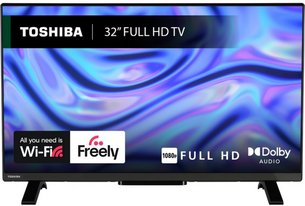
- Small (32-43 inches): Ideal for bedrooms or small spaces.
- Medium (50-65 inches): Suitable for most living rooms.
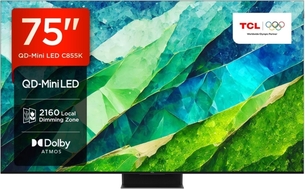
- Large (70 inches and above): Best for big rooms or home theaters.
- Display Technology
LED (LCD)
- Pros: Bright images, energy-efficient, widely available, usually more affordable.
- Cons: Limited contrast ratios compared to OLED.
OLED
- Pros: Superior picture quality, vibrant colors, deep blacks, wide viewing angles.
- Cons: More expensive, potential risk of burn-in.
QLED
- Pros: Enhanced color and brightness compared to standard LED, better performance in bright rooms.
- Cons: Typically more expensive than regular LED.
Mini-LED
- Pros: Better contrast and brightness control than traditional LED, improved picture quality.
- Cons: Newer technology may be pricier.
- Resolution
HD (1080p)
- Pros: Good quality for smaller screens; sufficient for basic viewing.
- Cons: Lower clarity compared to higher resolutions.
4K (Ultra HD)
- Pros: Four times the resolution of HD; great for larger screens and future-proofing.
- Cons: Requires 4K content to maximize benefits.
8K
- Pros: Even higher resolution; ideal for very large screens.
- Cons: Limited content available; often very expensive.
- Smart Features
Most modern TVs are "smart," allowing you to stream content from services like Netflix, Hulu, and Disney+. Look for:
- Operating Systems: Popular ones include Android TV, Roku TV, Tizen (Samsung), and webOS (LG).
- App Availability: Ensure your favorite streaming apps are available.
- Refresh Rate
- A higher refresh rate (measured in Hz) provides smoother motion, especially for sports and action movies. Look for 60 Hz or higher; 120 Hz is ideal for smoother performance.
- Connectivity
Ports
- HDMI: Ensure enough HDMI ports for your devices (e.g., gaming consoles, Blu-ray players). Look for HDMI 2.1 for next-gen gaming consoles.
- USB: Useful for connecting external drives or devices.
- Ethernet/Wi-Fi: For internet connectivity.
Audio Outputs
- Consider optical audio or HDMI ARC ports if you plan to connect to sound systems or soundbars.
- Sound Quality
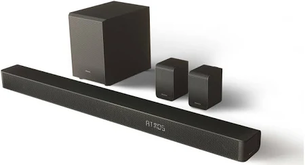
- Built-in speakers often lack depth. If audio quality is important, consider investing in a soundbar or external speakers. Check user reviews for sound performance.
- Price and Warranty
- Set a budget before shopping. Prices can vary widely based on size, features, and brand. Look for models with at least a one-year warranty and consider extended warranties for peace of mind.
- Brand Reputation and Reviews
- Research brands known for reliability and customer service. Read user reviews to get an idea of real-world performance and longevity.
- Delivery and Setup
Check if the retailer offers delivery and installation services. Consider whether you’ll need professional installation for wall mounting or complex setups.
Conclusion
Choosing the right television involves assessing your space, viewing habits, and budget. By considering the factors outlined in this guide, you can find a TV that provides an excellent viewing experience tailored to your needs. Happy shopping!